








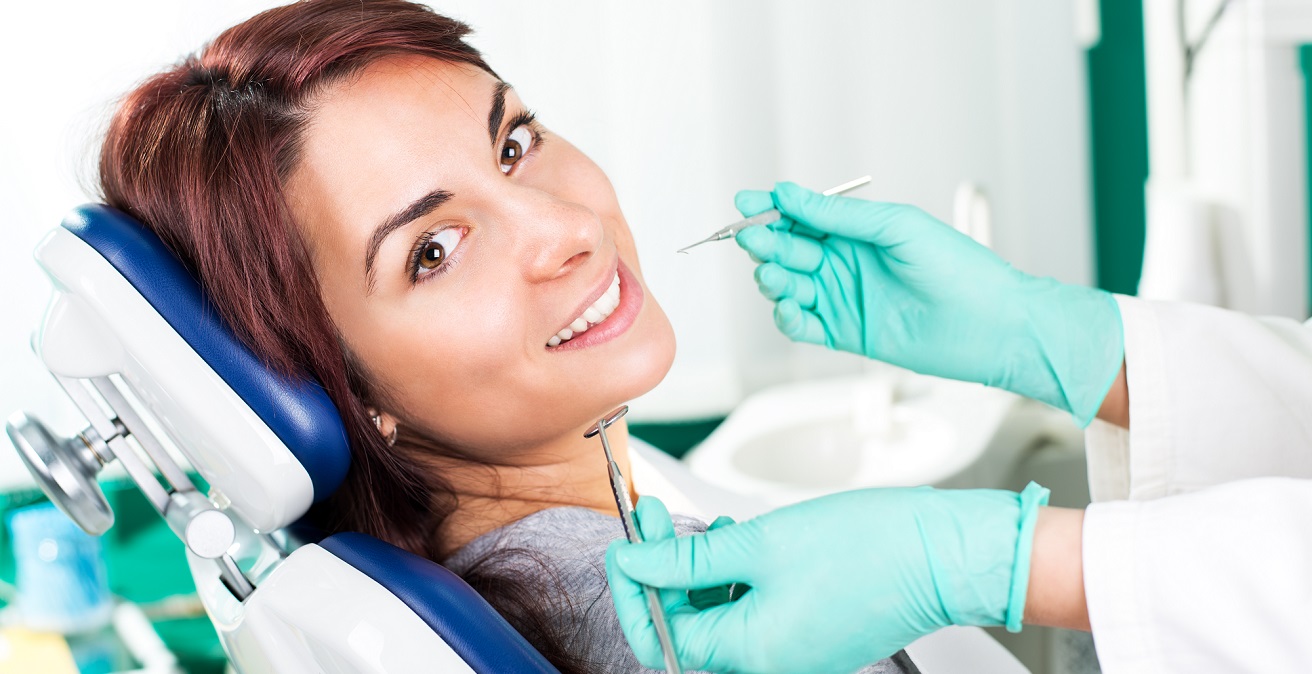

Tooth replacement therapy comes in many forms, the most common being dentures, often referred to as “false teeth.” Whether your teeth are badly damaged and need to be removed and replaced, or you have lost all or most of your teeth, modern dentures provide a comfortable and affordable solution for tooth replacement. If you have lost a significant number of teeth, partial dentures may be used to replace one or more missing teeth.
Your new dentures may feel strange in your mouth at first, but you should adapt fairly quickly. Over time, your gums will change shape, and your dentures may need to be adjusted or replaced to maintain proper fit and comfort. Be sure to visit your dentist whenever you feel your dentures may need adjustment.
Often, dentures may rub against the gums initially, meaning they need to be adjusted by your dentist. If you develop an ulcer, this does not mean that you cannot or will not be able to wear them — simply contact your dentist.
Choosing Your Food
Eating and drinking may feel unusual at first. To minimise discomfort, we recommend eating only soft, non-sticky foods. Soup, yoghurt, and boiled potatoes are all suitable options. Avoid chewing gum altogether.
Soreness or Irritation
It is perfectly normal to experience some minor soreness or irritation. You may also notice a temporary increase in saliva flow. These issues should lessen as your mouth becomes accustomed to the dentures. If any problems persist, particularly soreness or irritation, consult your dentist.
Speaking With Dentures
Whether you wear partial or full dentures, you will likely experience a short adjustment period. This is because your tongue — which plays a key role in speech — needs to adapt to the position of your new teeth. While some people adjust quickly, others may notice mild speech changes, such as slight slurring, during the early stages.
To improve your speech after receiving dentures, practise speaking aloud regularly. Start slowly and quietly, then gradually build up to a normal speaking level. Before long, it will be difficult for others to tell that you are wearing dentures.
Your new dentures may feel strange in your mouth at first, but you should adapt fairly quickly. Over time, your gums will change shape, and your dentures may need to be adjusted or replaced to maintain proper fit and comfort. Be sure to visit your dentist whenever you feel your dentures may need adjustment.
Often, dentures may rub against the gums initially, meaning they need to be adjusted by your dentist. If you develop an ulcer, this does not mean that you cannot or will not be able to wear them — simply contact your dentist.
Choosing Your Food
Eating and drinking may feel unusual at first. To minimise discomfort, we recommend eating only soft, non-sticky foods. Soup, yoghurt, and boiled potatoes are all suitable options. Avoid chewing gum altogether.
Soreness or Irritation
It is perfectly normal to experience some minor soreness or irritation. You may also notice a temporary increase in saliva flow. These issues should lessen as your mouth becomes accustomed to the dentures. If any problems persist, particularly soreness or irritation, consult your dentist.
Speaking With Dentures
Whether you wear partial or full dentures, you will likely experience a short adjustment period. This is because your tongue — which plays a key role in speech — needs to adapt to the position of your new teeth. While some people adjust quickly, others may notice mild speech changes, such as slight slurring, during the early stages.
To improve your speech after receiving dentures, practise speaking aloud regularly. Start slowly and quietly, then gradually build up to a normal speaking level. Before long, it will be difficult for others to tell that you are wearing dentures.
Recent Blogs
- Common issues during orthodontic treatment – Bad breath
- Should you worry about your child’s teeth grinding?
- Dental Implant Vs. Fixed Bridge – Which Is Best?
- Getting used to your new Dentures
- Benefits of Implant Supported Dentures
- The Teeth Whitening Diet
- Steps to find Perfect Orthodontist for your Child
- A common misconception – Teeth are not alive
- Myths about orthodontic treatment
- Myths about Root Canal Treatment
- Teeth Whitening Myths
- Myths about Baby Teeth