








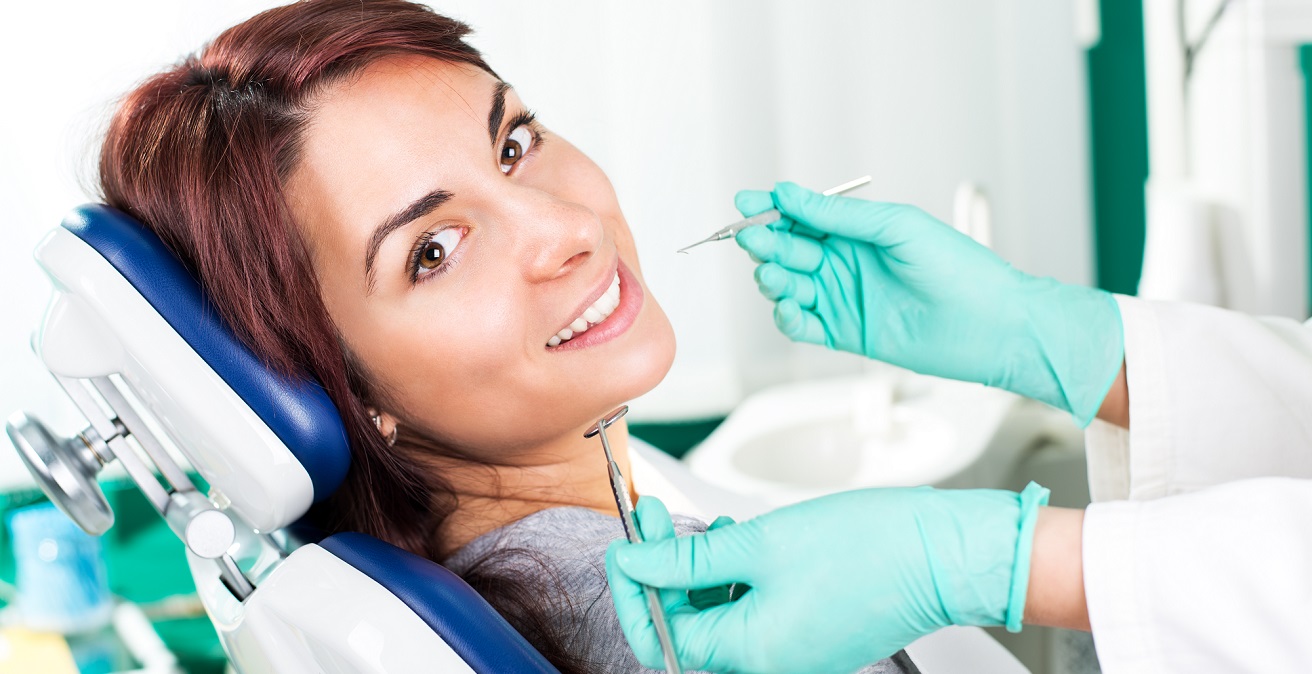
A bridge is fixed in your mouth, so you do not have to worry about removing it for cleaning, as you would with a denture.
Bridge The Gap Created By One Or More Missing Teeth

BRIDGE THE GAP CREATED BY ONE OR MORE MISSING TEETH
When a tooth is lost, a space is left that can be unsightly, cause difficulty with chewing, or result in the movement of adjacent teeth. There are many options for filling these spaces, including implants, dentures, and dental bridges. If you have lost one or two teeth but would prefer not to wear a denture, you may wish to consider a bridge. Bridges are a series of crowns joined together to close the space left by a missing tooth. They are permanent and, once bonded into place, look and feel similar to natural teeth.
Bridges can be supported by natural teeth or by implants. At Example Dental Clinic, we will assess the health of your gums and supporting teeth to ensure they are suitable for treatment and will take appropriate measures if they are not. We will discuss all of your options with you to help you maintain a healthy mouth and a beautiful smile with a well-fitting, natural-looking bridge.
ADVANTAGES OF HAVING A DENTAL BRIDGE
Great looks (aesthetics)
In a traditional fixed bridge, not only can you fill the space of the missing tooth, you can improve the colour and the shape of the teeth that you are crowning either side. Porcelain looks great, matches the natural teeth exceptionally well and is very resistant to staining.
Not removable
Protective
If the teeth either side are heavily filled or broken down then by crowning these teeth as part of the bridge you are actually helping to strengthen them and replace your missing tooth at the same time.
Long lasting
Studies have shown that fixed bridgework, like individual crowns, is predictable, durable, and can last a considerable length of time.
Relatively quick
A bridge in general takes only a little longer than a single crown and once the decision to make a bridge has been made, it generally takes two appointments from start to finish. This is a much quicker procedure than having an implant or even a partial denture.
Less invasive than implants
Implants require one or more surgical procedures to place the implant. You may also require bone grafting if you have insufficient natural bone available. For anyone who is unable to undergo implant surgery for medical reasons, it is a great fixed alternative.
Restore your smile
If you are missing numerous teeth, you probably look at old photographs and wish you can have that smile back. This wish can become a reality.
Restore your ability to properly chew
Losing a few teeth may affect your bite. People often chew on one side if they are missing teeth on the opposite side. Over time, this may cause bite issues and even TMJ problems. Dental Bridges help you to distribute the forces in your bite properly by replacing missing teeth.
Prevent remaining teeth from drifting out of position
Whenever a tooth is lost, the surrounding teeth tend to shift, tilt, or drift into the space. A dental bridge can help prevent unwanted movement of nearby teeth.
Dental bridges help you speak properly
During speech, your tongue pushes against the back of your upper teeth to achieve proper pronunciation. Missing teeth can quickly affect the way you speak.
Maintain the shape of your face
Your facial musculature and your jaw bone may change over time if you are missing many teeth. Replacing lost teeth will help maintain your facial tone and prevent facial changes.
If you have any specific questions about dental bridges, please fill in our online contact form or call us on 123 456 7890. Alternatively, use our online appointment booking tool to meet with one of our dentists.

Have Questions?
0123 456 789
Feel free to call us if you have any unanswered questions about Dental Crowns.
Make an Appointment
More Treatments
Patient Reviews
Lorem ipsum dolor sit amet, consectetur adipiscing elit, sed do eiusmod tempor incididunt ut labore et dolore magna aliqua.
Mary Scott
Founder & CEO
Thursday, August 31, 2017
Lorem ipsum dolor sit amet, consectetur adipiscing elit, sed do eiusmod tempor incididunt ut labore et dolore magna aliqua.
John Borthwick
Founder & CEO
Thursday, August 31, 2017
Lorem ipsum dolor sit amet, consectetur adipiscing elit, sed do eiusmod tempor incididunt ut labore et dolore magna aliqua.
Jane Bill
Founder & CEO
Thursday, August 31, 2017
Lorem ipsum dolor sit amet, consectetur adipiscing elit, sed do eiusmod tempor incididunt ut labore et dolore magna aliqua.
David Anderson
Founder & CEO
Thursday, August 31, 2017
Lorem ipsum dolor sit amet, consectetur adipiscing elit, sed do eiusmod tempor incididunt ut labore et dolore magna aliqua.
Susan O’Neill
Founder & CEO
Thursday, August 31, 2017
Lorem ipsum dolor sit amet, consectetur adipiscing elit, sed do eiusmod tempor incididunt ut labore et dolore magna aliqua.
Ryan King
Founder & CEO
Thursday, August 31, 2017