








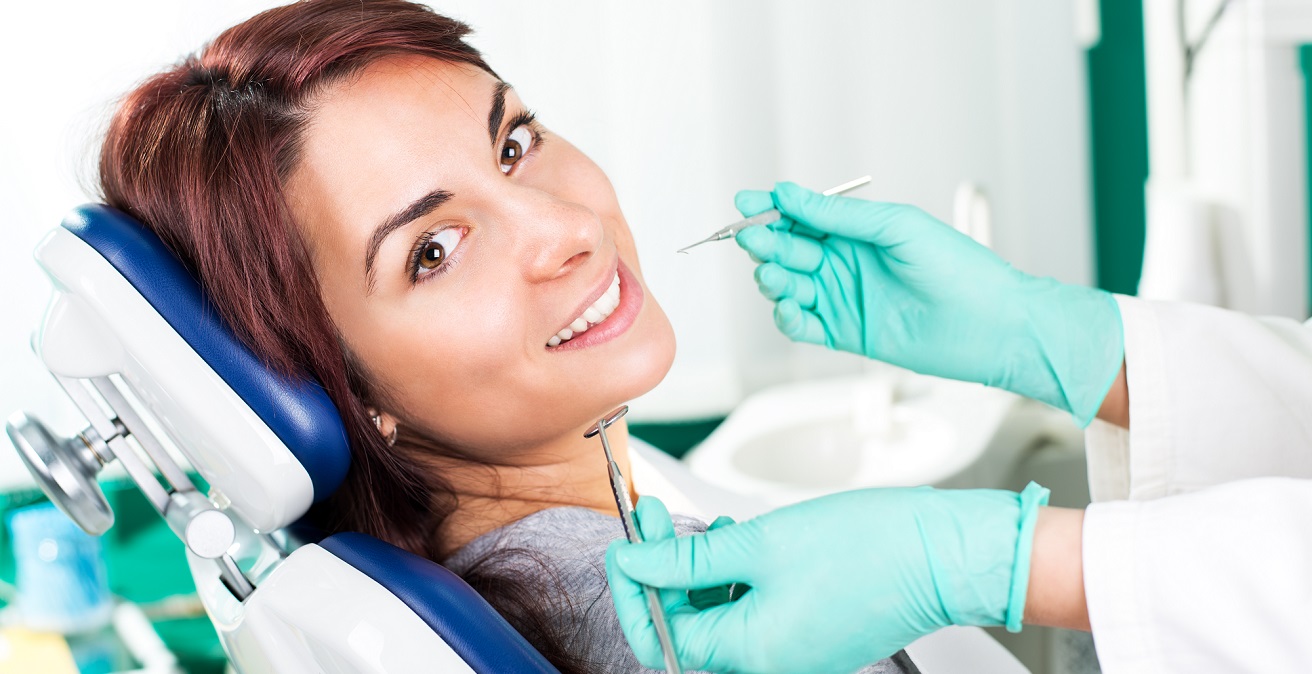
Q: How often should I see the dentist for a check-up and cleaning?
A: Most children and adults should see their dentist and hygienist for a regular cleaning and check-up every 12 months. Tobacco and alcohol use, diabetes, pregnancy, periodontal and gum disease, and poor oral hygiene are some of the many factors your dentist takes into consideration when deciding how often you need a dental cleaning and check-up. People at greater risk of oral disease should have dental check-ups more often.Q: What precautions do you take to ensure patient safety?
A: We protect our patients in many ways, starting with state-of-the-art sterilisation equipment and the use of face masks and gloves. We also always check our patients’ health histories.Q: Is it important to replace missing teeth?
A: A confident smile and a healthy mouth are important assets, but it is also important to replace missing teeth for health reasons. Once teeth are lost, bone loss occurs. This not only shortens the face and causes it to age prematurely, but can also cause other teeth to become loose and put them at risk of falling out. Facial features may droop and appear distorted.Missing teeth can also provide a fertile breeding ground for tooth decay. If you have a missing tooth, the surrounding teeth become increasingly susceptible to decay, which may result in them being lost as well.
Q: How safe are dental X-rays?
A: Exposure to all sources of radiation, including the sun, minerals in the soil, household appliances, and dental X-rays, can damage the body’s tissues and cells and potentially lead to the development of cancer. Fortunately, the dose of radiation you are exposed to during dental X-rays is extremely small.Advances in dentistry over the years have led to significantly lower radiation levels from dental X-rays. Some of these improvements include digital X-ray machines that limit the radiation beam to a small, targeted area; modern high-speed X-ray films that require shorter exposure times than older film types to achieve the same results; and the use of film holders that keep the film in place in the mouth, preventing slippage and reducing the need for repeat X-rays and additional radiation exposure.